


The report is the first study in Poland enabling identification of financing sources, determining the involvement of individual groups of investors and presenting the scale of expenditure on renewable energy sources.

Actions are needed to rapidly implement climate-friendly solutions for the non-ETS buildings and transport sectors. This is particularly true for Central and Eastern European (CEE) EU member states, where both

Decarbonising the building sector is essential for achieving the EU’s emissions neutrality goal. While some countries in Central and Eastern Europe registered a significant decrease in emissions despite an

The transport sector is one of the most challenging sectors to decarbonise in the European Union. This is even more the case for the Central and Eastern European countries, where increasing economic

As part of the preparation of the report, all forms of public subsidies used by the Polish energy sector were examined. In total, several mechanisms consume over PLN 7 billion a year from the state budget and the pockets of energy consumers.

What is the frontier of good policy practices in climate action in transport and buildings sectors in the CEE region? What can the CEE countries learn from each other in this area? The brochure prepared by WiseEuropa
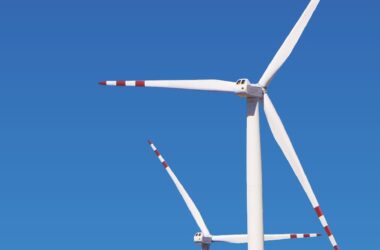
Onshore wind energy is characterized by a several times higher index of the share of domestic suppliers and subcontractors (so-called local content) in the life cycle of installations compared to conventional power plants. Currently, this index exceeds 50%, and if favorable conditions for the development of the industry in Poland can be reached, it can reach up to 65%.

2016 is a crucial year for the Polish mining industry. The end of the commodity boom on the global market and the EU regulations that prevent subsidising unprofitable mines revealed the massive scale


