

Currently, the EU is facing two key challenges: internally, the euro crisis, and externally, the risk of a step back for the Arab Spring.
The European Union (EU) perceives the Western Balkans as its own internal affair. Indeed, the EU is the main centre of gravity for the region, without a serious long term alternative such as Turkey, Russia or China.
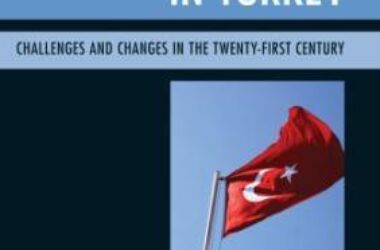
Adam Balcer, Turkey as a stakeholder and contributor to regional security in the Western Balkans, Debating Security in Turkey, Challenges and Changes in the Twenty-First Century, Edited by Ebru Canan-Sokullu, Lexington Books, Lanham, MD, 2012, pp. 219-236.

„The EU fits twice on the map of Brazil“, says a government official in Brasilia, to reflect the country’s longing for parity status with the old cousin.
Just as 2012 was the year of stabilisation in Europe, 2013 will be the year when a new method of integration will be worked out. Its objective will be to better reflect the new dynamic amongst the member states.
Brazil needs to give its middle class a chance Paweł Świeboda Komentarz „World scenario has come in Brazil’s way“, officials in Brasilia sigh with understandable relief. The prominance of
Adam Balcer, An Audit of Power: Turkey’s Leverage in the Post Soviet Space, Black Sea Discussion Paper Series - 2012/3

The most important lesson learned from the Arab Spring is the bankruptcy of the idea of authoritarian modernisation in the Arab world.
State of the Region Report jest doroczną publikacją wydawaną przez Baltic Development Forum, i opisującą sytuację gospodarczą w krajach regionu Morza Bałtyckiego.
Ten numer miesięcznego biuletyny Bureau of European Policy Advosors - grupy doradców Komisji Europejskiej - ukazał się tuż przed prezentacją raportu dotyczącego wzrostu gospodarczego w UE przygotowanego przez polską prezydencję.


