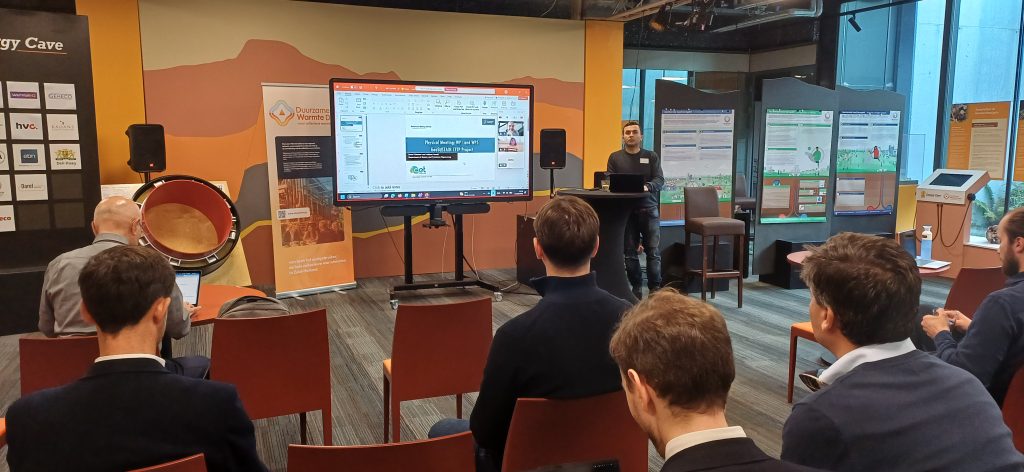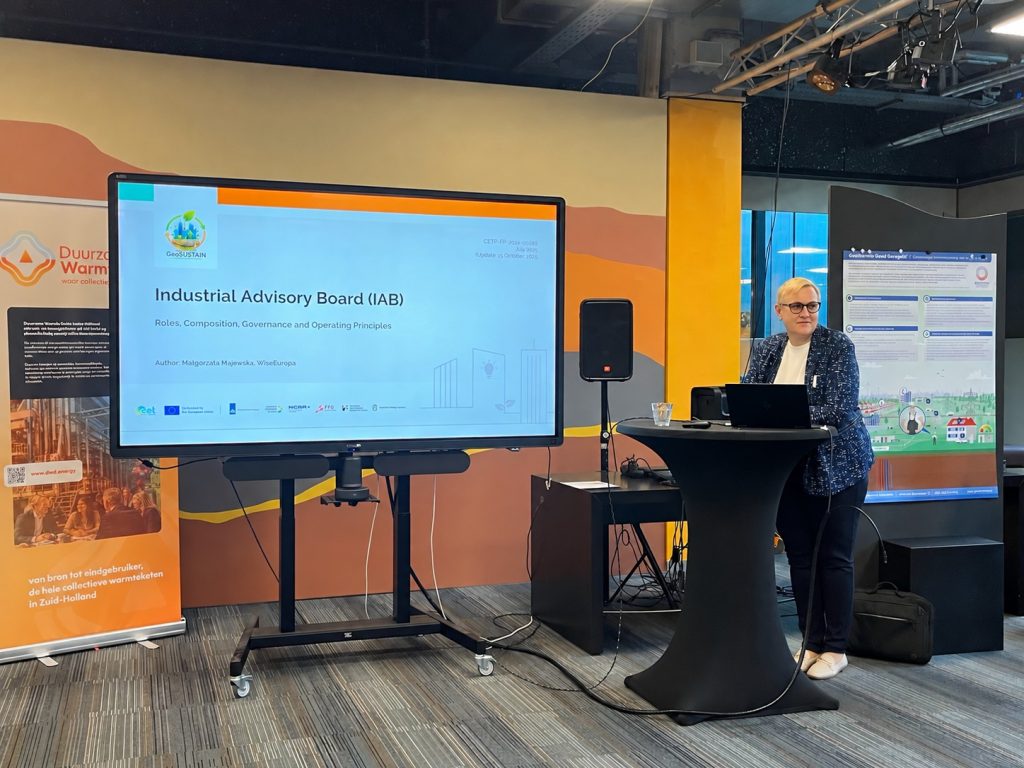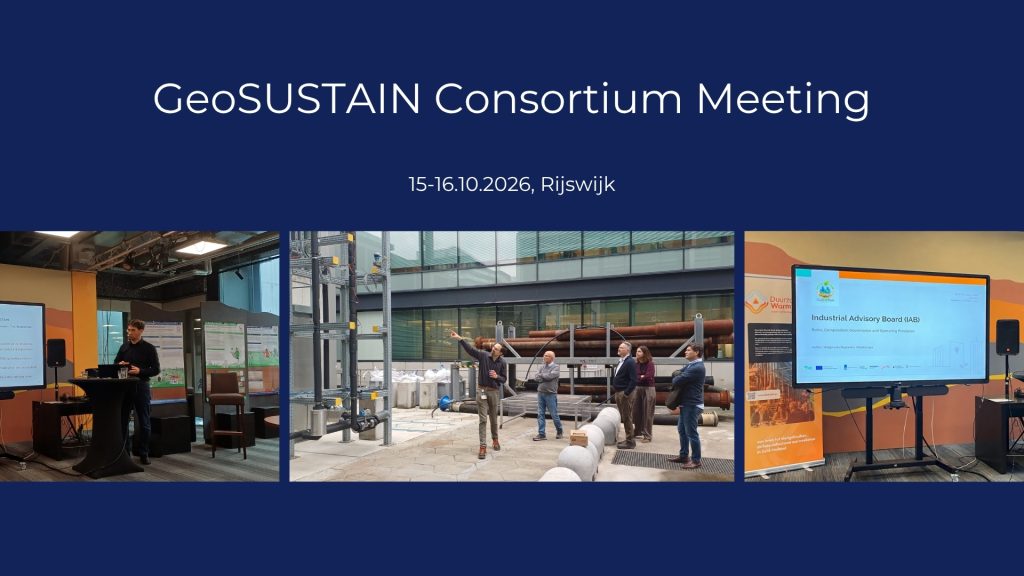
On 15–16 October 2026, GeoSUSTAIN project partners met in Rijswijk, the Netherlands, to review the work completed so far and plan the next stages of the project. WiseEuropa was represented by Małgorzata Majewska and Krzysztof Bocian, who presented progress in project communication, the exploitation of project results, and the analysis of conditions affecting the deployment of geothermal technologies in industry.
From Research to Practical Application
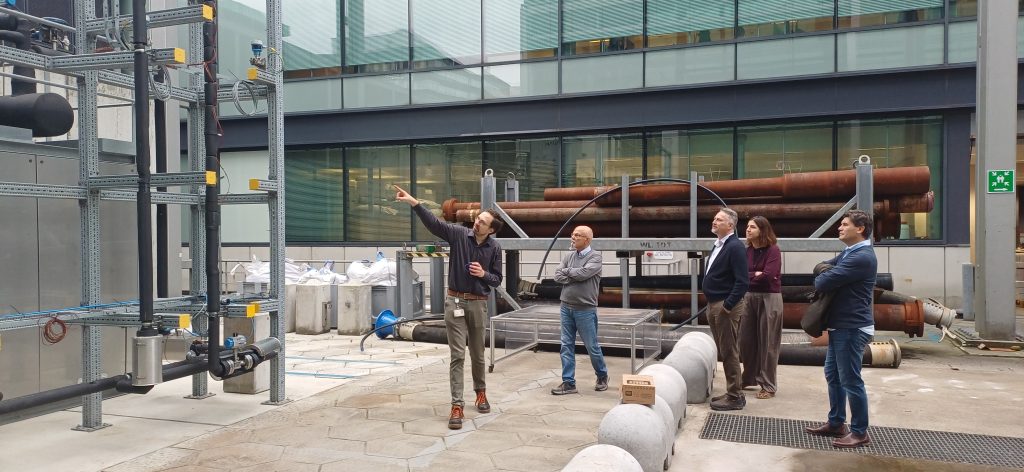
The meeting was hosted at TNO Well Technology Centre in Rijswijk, an open innovation facility where new geo-energy technologies can be developed, tested and demonstrated under controlled conditions before their practical application. The setting reflected one of the meeting’s central themes: how to translate research findings and technologies developed within the project into solutions that can be used by industry.
During the two-day meeting, partners reviewed progress across all work packages – from identifying industrial needs and developing technologies for thermal energy supply and storage to digital control tools, demonstration activities, implementation assessment and communication of project results.
Communicating and Exploiting Project Results
Małgorzata Majewska presented progress in Work Package 7, which covers communication, dissemination and work on the project’s Key Exploitable Results (KERs).
During the first stage of GeoSUSTAIN, the consortium established its core communication tools, including the Communication and Dissemination Strategy and Plan, visual identity, project website, information materials, shared templates and a system for monitoring partners’ activities. The next stage will focus on maintaining a regular flow of approved project results, documenting stakeholder engagement and advancing work on results with the greatest potential for practical application.
Cooperation with the Industrial Advisory Board will be an important part of this process. Bringing together industry representatives and experts, the Board will help assess the practical relevance, maturity and market potential of the solutions developed within GeoSUSTAIN.
What Supports or Hinders the Uptake of Geothermal Solutions in Industry?
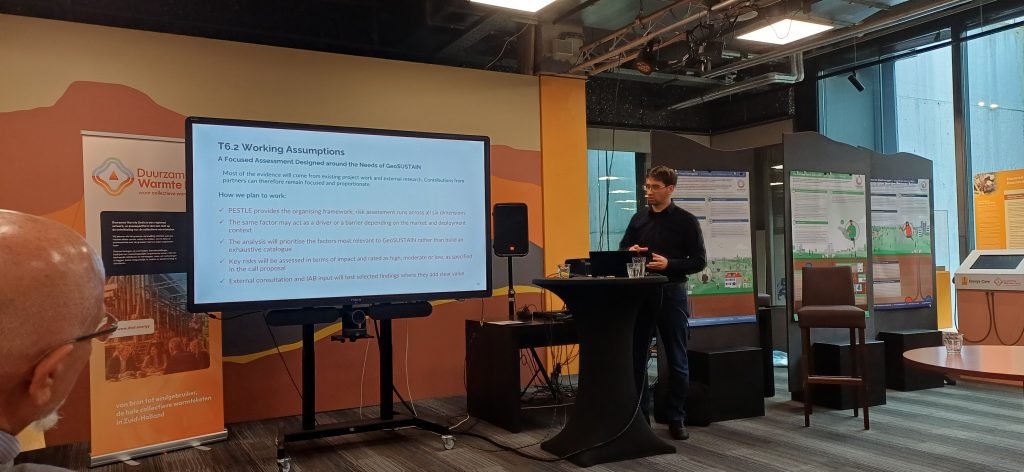
Krzysztof Bocian presented the proposed approach to Task 6.2, which examines the factors affecting the implementation and market uptake of GeoSUSTAIN solutions in industry. The PESTLE analysis will cover the political, economic, social, technological, legal and environmental conditions influencing the development of geothermal heating and cooling.
It will draw on findings from across the project, external research and the knowledge of stakeholders and industry representatives. The identified factors will then be prioritised according to their relevance to implementation and associated risks. This approach will highlight not only barriers, but also the conditions and mechanisms that can support the uptake of geothermal technologies across different sectors and market contexts.
The meeting in Rijswijk enabled partners to connect technological, industrial and implementation perspectives and agree on priorities for the next months of the project.