


Poland is one of the largest beneficiaries of globalization in the last 30 years. The fact that we tripled GDP and wages, we gained the know-how to create competitive companies, it was possible thanks to the opening of markets and external investments. Stopping globalization is not in our interest - says Maciej Bukowski, economist.

On Thursday, June 6, 2019 at 5:30 p.m. WiseEuropa, together with Collegium Civitas, organizes a workshop entitled “European elections: Implications for the European Union”. Results of the 2019 European elections, its implications for the EU will be discussed during the workshop. It will also analyze potential coalitions in the European Parliament and consequences of the elections for the national political scenes, including Poland.
During the last years Europe and the European Union have had to deal with many challenges.
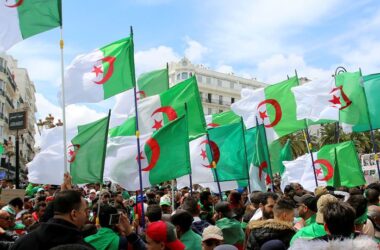
‘Regime clear off; we will keep the state’ is the motto which illustrates best the protests which are taking place on Algerian streets. Since February, people have shown great determination in their intention to remove the regime and implement a large political change within their country.
The European Union is in the middle of a democratic crisis. Many Europeans have lost faith in representative democracy both at national and European levels.
The tribune of Emmanuel Macron, President of France, may represent the beginning of a new era in the history of the EU. President Macron has decided to engage his legitimacy by outlining his vision for the future of Europe.
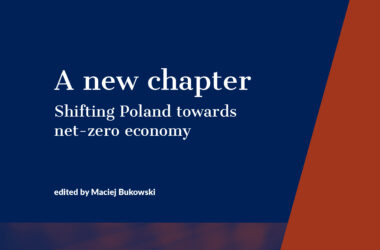
Polish approach to climate and energy policy over the last decade has largely failed. The country is likely to miss all of the European Union’s 2020 climate and energy targets. Poland’s official plans for the next decades continue to be out of sync with the EU’s decarbonsation pathways, says a new report from WiseEuropa.

On Wednesday, 20 March, WiseEuropa along with the Centre for Eastern European Studies of the University of Warsaw, are organizing an open debate: "The emergence of new countries after the First World War: lessons for all of Europe." It is also the inauguration of the exhibition which will soon visit Lithuania, Latvia, Estonia, Finland and Brussels.
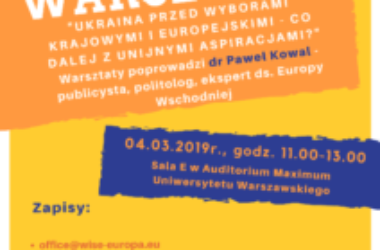
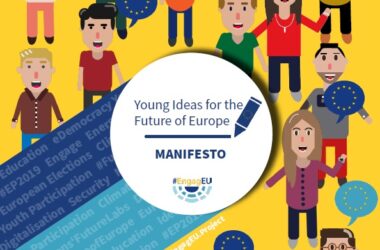
Take part in the workshop and present your ideas about the future of the European Union. We will collect them and we prepare the Manifesto which is presented to the newly elected members of the European Parliament. It’s one chance: 4th of March in the Centre for East European Studies.

On the 4th of March at 5 pm in the Ballroom of the Tyszkiewiczów-Potocki Palace (Krakowskie Przedmieście 32) will take place an open debate about the future of Europe. The debate will be attended by Paweł Kowal, PhD, Ludwika Włodek, PhD, Katarzyna Pełczyńska-Nałęcz, PhD, Marcin Kędzierski, PhD and Adam Balcer. The conversation will be led by the journalist, Agnieszka Lichnerowicz.


