

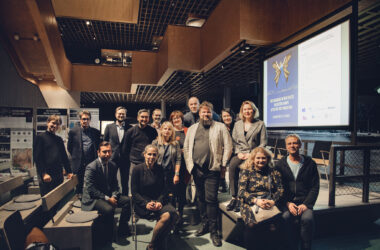
WiseEuropa attended following events of the TENSE project called “The Emergence of new states in Eastern Europe after the First World War
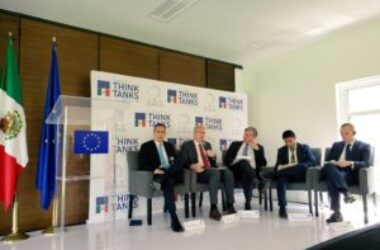
First session of the EU-Mexico Think-Tank Dialogue “Modern challenges to democracy with Latin America and the European Union” was held on October 14 at the Delegation of the European Union to Mexico
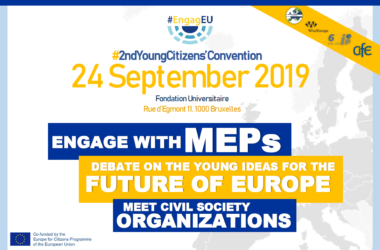
On September 24, 2019, the final EngagEU debate took place in Brussels with the participation of newly elected MEPs and representatives of the WiseEuropa foundation and other partner organizations.
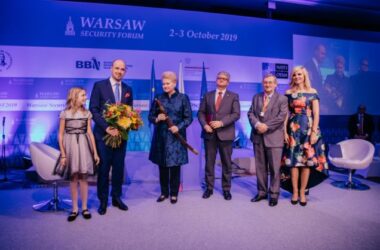
2019 edition of the Warsaw Security Forum was highlighted by important anniversaries including 70th anniversary of NATO or 15th anniversary of Central European states accession to the EU – including Poland.

Independence and assertiveness became keywords of French foreign policy under the leadership of President Macron. A rapprochement with Moscow represents an important manifestation of that policy.

What is the frontier of good policy practices in climate action in transport and buildings sectors in the CEE region? What can the CEE countries learn from each other in this area? The brochure prepared by WiseEuropa
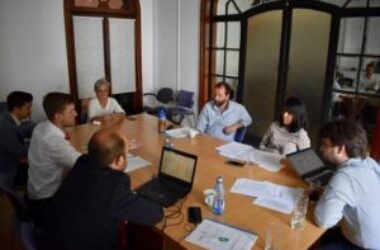
On July 4th, experts from the public administration, analytical centres, non-governmental organizations and private businesses from Romania and Bulgaria shared experiences on best policy practices for climate action in transport and buildings.
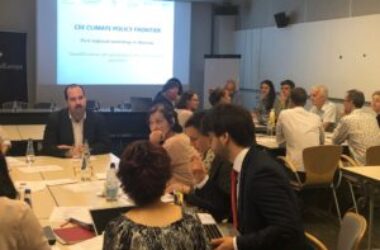
On July 1st, representatives of public administration, business, analytical centres and non-governmental organizations from the countries in Visegrad group had a chance to engage in a knowledge exchange on best practices for climate action in the transport and buildings sector during the first interactive regional stakeholder workshop held in Warsaw.
European elections showed that while a powerful extreme-right has become a permanent characteristic of French politics, this has not prevented France from assuming a central role at the European level.
Onshore wind energy is characterized by a several times higher index of the share of domestic suppliers and subcontractors (so-called local content) in the life cycle of installations compared to conventional power plants. Currently, this index exceeds 50%, and if favorable conditions for the development of the industry in Poland can be reached, it can reach up to 65%.
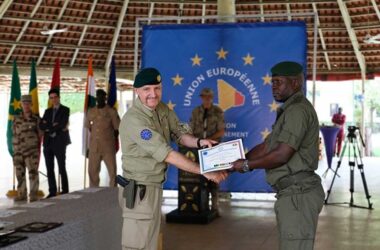
As recently stated by the Council of the EU (May 13, Council conclusions on the Sahel), the Sahel region will continue to attract considerable attention from the EU.

The WiseEuropa Institute has developed an in-depth analysis "Contribution to Growth: Delivering economic benefits for citizens and businesses” reffering to the economic benefits of strong consumer protection in the European Union.


