


In the Polish interests. How to use EU’s energy and climate Policies as a way of supporting Poland’s development to 2030?

The amended NBP bill has already seen the light of day. On May 28th it was taken up by the Council of Ministers and the government is expected to consider it the next meeting, on June 17th.

One other German reinvention in foreign policy is needed. The only endeavour commensurate with Germany’s strength and level of ambition is that of an explicit attempt to shape the rules of the international
For some, the results of the European Parliament elections have been a call to arms. In Britain, there has rarely been more unity between the government and the opinion-makers than in the current fight to shoot down Jean-Claude Juncker

In the last few years, Europe has been forced to re-think its socio-economic model. Social indicators speak for themselves.
Two types of sentiment dominate before the forthcoming European Parliament elections. There are those who panic about the imminent rise of the populist and anti-establishment parties.

One of the elements of changes in the pension system is the so called “safety slide mechanism”.

The last decade has been an enormous success for Poland, the Czech Republic, Slovakia and Hungary, which since joining the EU have become wealthier and more politically relevant
It was meant to be a campaign about social Europe. When if not in the European Parliament elections, should EU citizens make a judgement on their leaders‘ performance in the crisis?
Ignacio GARCIA-BERCERO, EU Chief Negotiator for EU-US TTIP, in polemic with Paweł Świeboda’s "All hands on deck for the transatlantic market". Author’s response follows.
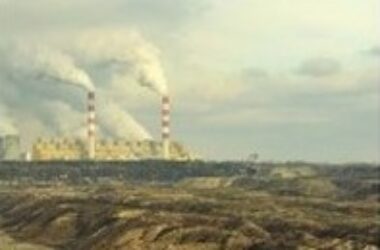
The public debate on subsidies to energy sector in Poland concentrates on the level of support to renewable sources.


