



The international GeoSUSTAIN project (full name: Sustainable Medium-Depth Geothermal Solutions with Solid Media Thermal Energy Storage for H/C), funded by CETPartnership, has been launched in December 2025, covering Norway, Sweden, Austria, the Netherlands, Poland (including WiseEuropa), and Canada. Its focus is on developing an efficient, zero-emission, geothermal-based solution for industrial heating and cooling – fully aligned with the goal of achieving climate-neutral H/C systems by 2050.
Energy efficiency in industry – where are the reserves?
According to EUROSTAT, industry accounted for about 25% of the EU’s final energy demand in 2022, making energy efficiency improvements and greater use of renewable energy sources in this sector particularly urgent. The largest share of this demand is for process heat (around 66%), with a significant portion required at relatively low temperatures – about 37% below 200°C and roughly one quarter below 100°C, as highlighted by analyses from the Joint Research Centre. These temperature ranges are well suited to renewable solutions such as geothermal energy, which, when combined with heat pumps and thermal energy storage, offers strong potential to improve industrial energy efficiency.
GeoSUSTAIN – from concept to implementation
GeoSUSTAIN is a three-year project in the field of renewable energy sources and industrial heating. It combines geology, heating and cooling technology, automation, and data analysis to develop a concept for a zero-emission heating and cooling system based on heat stored beneath the earth’s surface – in the ground and in groundwater.
The project also includes activities aimed at better understanding the needs of stakeholders, building their acceptance, and strengthening cooperation, which is intended to facilitate the subsequent implementation of the solution in industry and its replication in other sectors and locations.
The international consortium consists of:
- leading research institutions (Project Coordinator: University of Stavanger, Royal Institute of Technology, Austrian Institute of Technology, Netherlands Organization for Applied Scientific Research (TNO), University of Calgary, WiseEuropa),
- industry and commercial partners (Bengt Dahlgren, Lyse, Helin, EnerTrans, NorConsult, Well Intercept, ThermaStor Solutions, Integrated Sustainability),
- and end-users (Euro-Centrum Science and Technology Park, Reve Kompost, Statsbygg).
WiseEuropa’s role in the project
In the GeoSUSTAIN project, WiseEuropa is responsible for analyzing the legal and regulatory frameworks relevant to the implementation of geothermal heating and cooling systems in industrial applications. It identifies barriers and factors supporting their development in political, economic, social, technological, environmental, and legal terms. On this basis, it assesses the risks associated with the implementation of the solutions under study and formulates recommendations for public policies and potential partners and investors interested in their implementation. Our think tank is also responsible for communication and dissemination of project results, developing cooperation with stakeholders, and creating a framework for replicating the solutions developed in other sectors and locations.
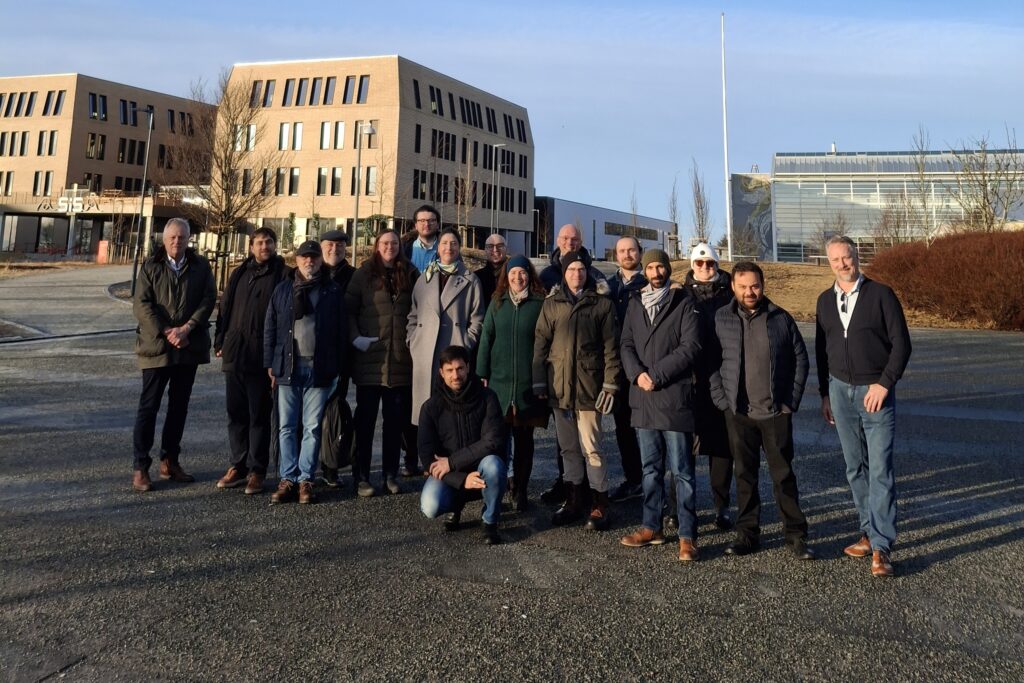
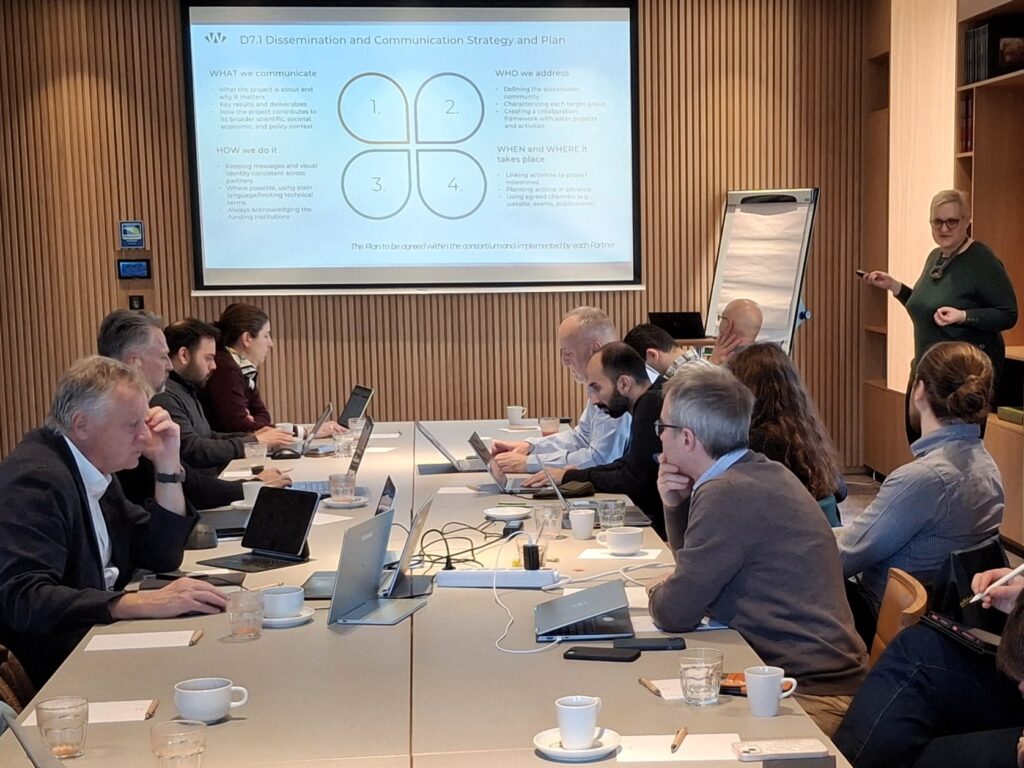
Małgorzata Majewska, Head of Communication and Stakeholder Engagement, spoke about the role of WiseEuropa and the organization of project work during the first face-to-face consortium meeting, which took place on February 23-24, 2026, at the University of Stavanger.
Consortium meeting and visit to Energy Central
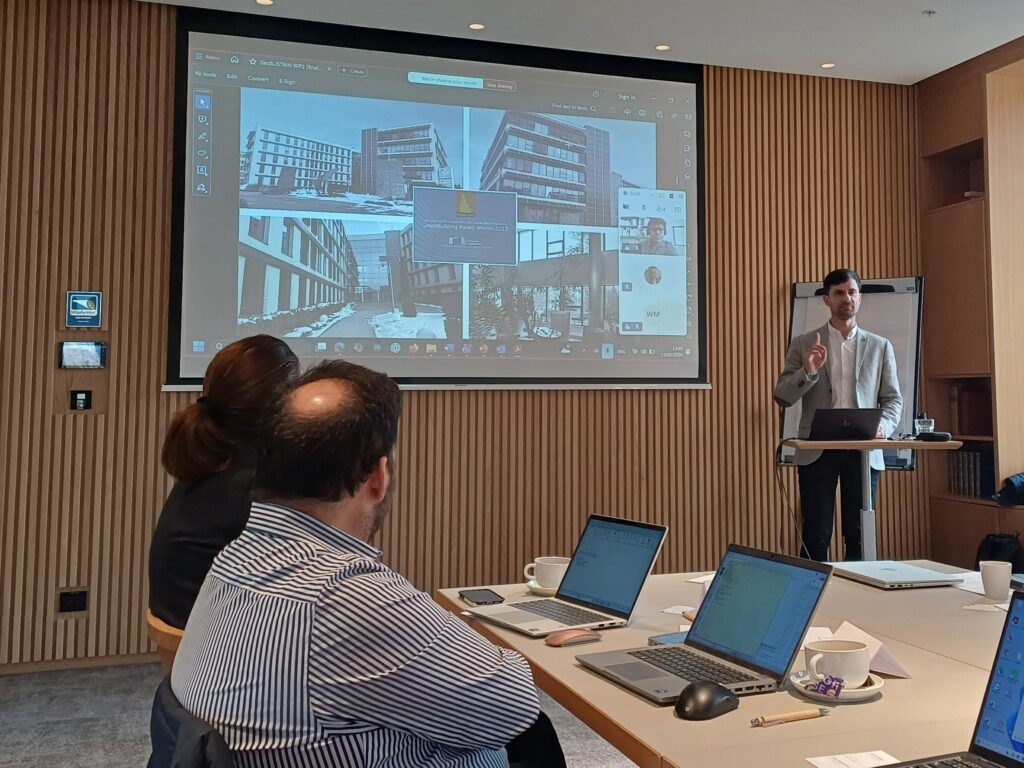
Over two intensive days, project areas’ leaders presented progress achieved so far and outlined the next phases of implementation. The discussions strengthened the collaborative framework, aligned technical and strategic priorities, and deepened cross-disciplinary exchange among partners. Beyond formal sessions, the meeting provided a valuable opportunity to build stronger relationships across the international consortium – reinforcing the trust and shared vision that are essential for delivering impactful innovation.
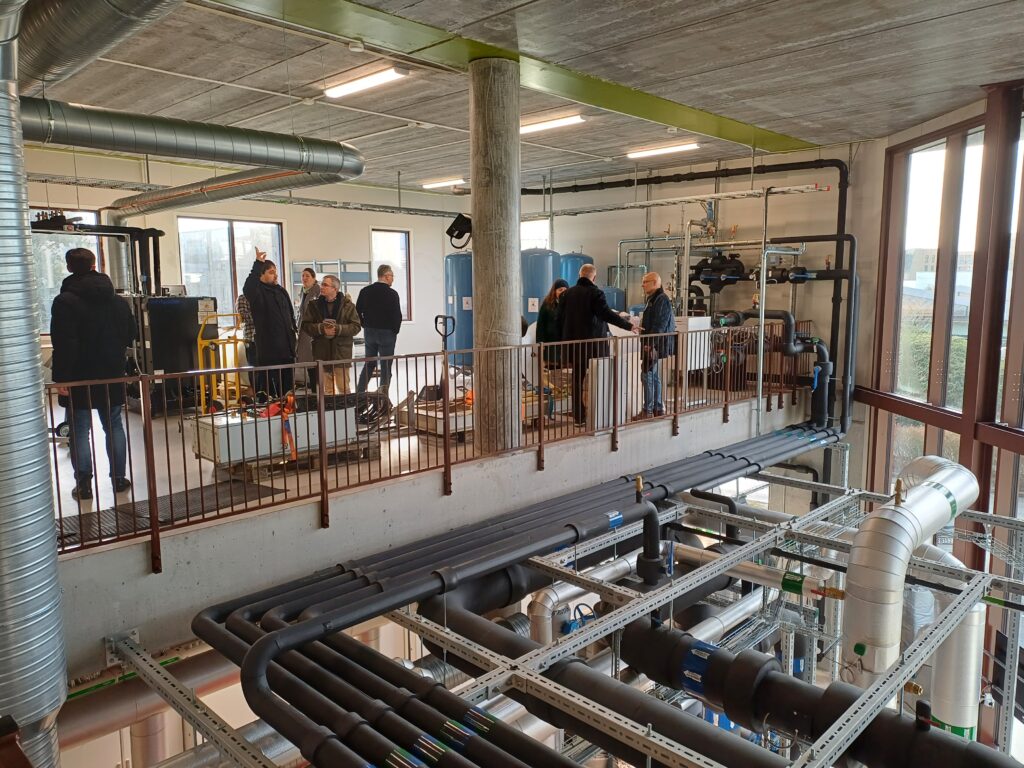
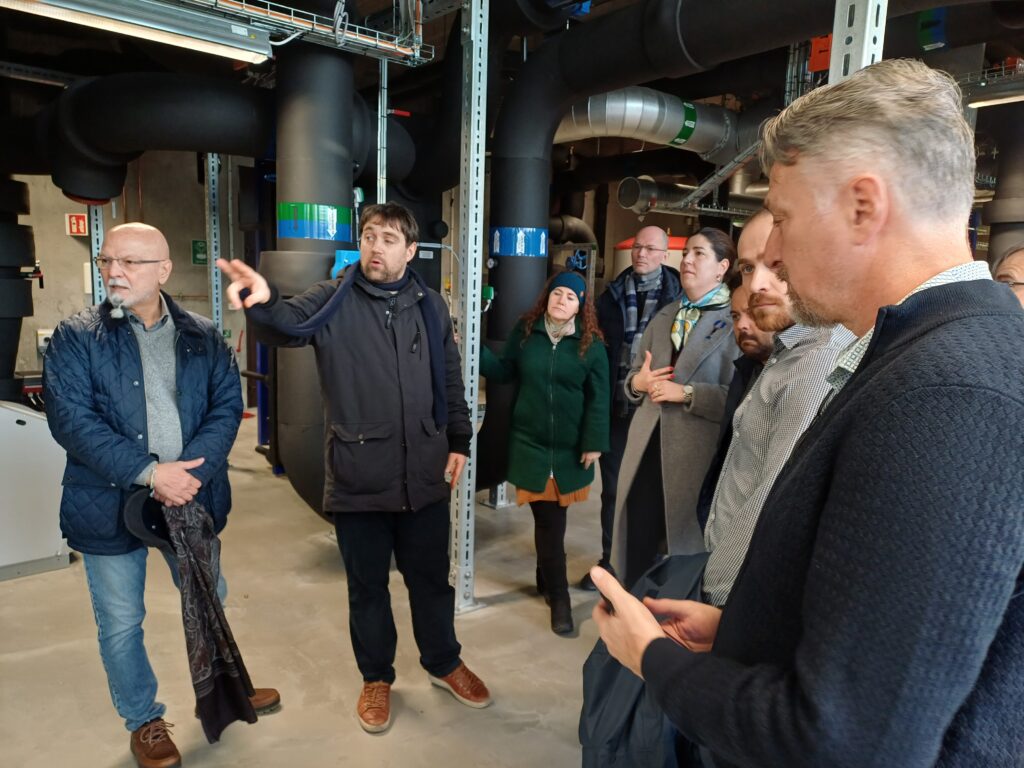
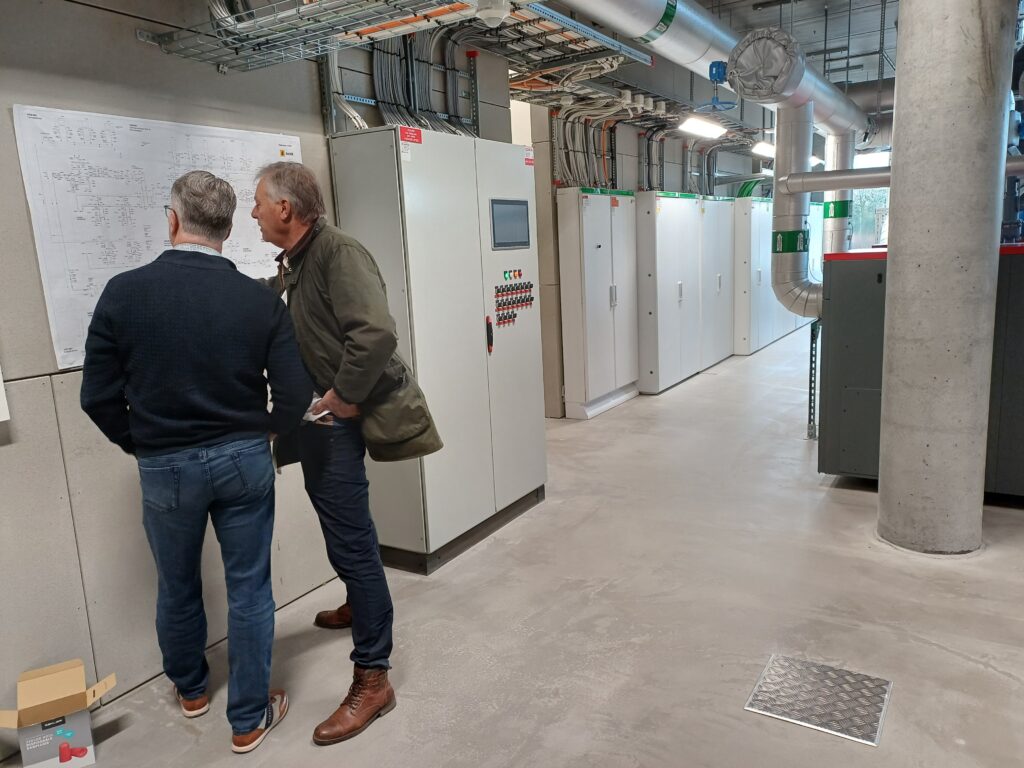
On the second day, participants visited the Energy Central at the Ullandhaug campus – a state-of-the-art facility supplying renewable heating and cooling across the university. The visit offered valuable insights into a large-scale geothermal-based energy system in operation and sparked inspiring discussions on system integration, storage concepts, and pathways toward low-emission thermal energy solutions. It was an excellent opportunity for experts to exchange experiences and reflect on practical applications relevant to GeoSUSTAIN’s objectives.
The GeoSUSTAIN project was funded by CETPartnership, the Clean Energy Transition Partnership under the 2024 joint call for research proposals, co-funded by the European Commission (GA N°101069750) and with the funding organizations detailed on https://cetpartnership.eu/calls/joint-call-2024/fundig-organisations.



