


On the 21st February 2020, our final climate frontier workshop in Bucharest again brought together a strong mix of experts from government, industry, non-governmental organisations and analytical centres in Romania and Bulgaria to assess the opportunities and challenges for adopting best climate policy practices in the transport and buildings sectors.

On the 7th February 2020, our second workshop in Warsaw brought together experts from government, industry, non-governmental organisations and analytical centres in the Visegrád (V4) Group - Poland, Czech Republic, Slovakia and Hungary - to assess the challenges and opportunities for adopting best climate policy practices in the transport and buildings sectors.

As part of the preparation of the report, all forms of public subsidies used by the Polish energy sector were examined. In total, several mechanisms consume over PLN 7 billion a year from the state budget and the pockets of energy consumers.

On Friday 25 October 2019, around 30 stakeholders and guests, mostly from Germany and Eastern European EU member states, discussed the potential for emissions reductions in the building and transport sectors.
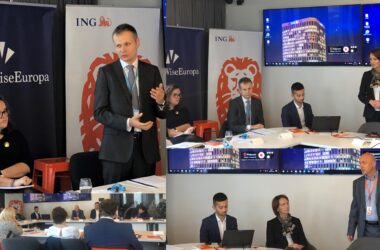
xOn Thursday, October 10, 2019, the WiseEuropa Foundation along with ING Bank Śląski organized a meeting: Climate change and business – the round table for representatives of the banking sector.

What is the frontier of good policy practices in climate action in transport and buildings sectors in the CEE region? What can the CEE countries learn from each other in this area? The brochure prepared by WiseEuropa
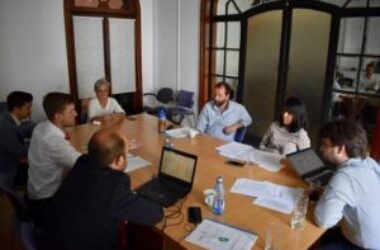
On July 4th, experts from the public administration, analytical centres, non-governmental organizations and private businesses from Romania and Bulgaria shared experiences on best policy practices for climate action in transport and buildings.
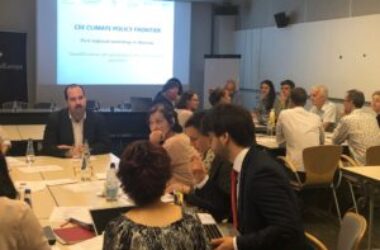
On July 1st, representatives of public administration, business, analytical centres and non-governmental organizations from the countries in Visegrad group had a chance to engage in a knowledge exchange on best practices for climate action in the transport and buildings sector during the first interactive regional stakeholder workshop held in Warsaw.
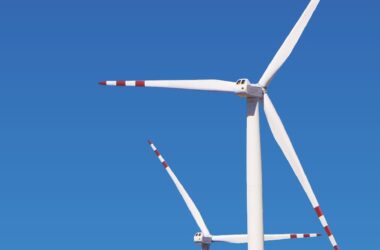
Onshore wind energy is characterized by a several times higher index of the share of domestic suppliers and subcontractors (so-called local content) in the life cycle of installations compared to conventional power plants. Currently, this index exceeds 50%, and if favorable conditions for the development of the industry in Poland can be reached, it can reach up to 65%.
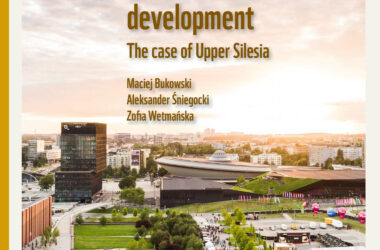
The Silesian Voivodeship has a chance to become a model for a just transition of a mining region into a modern industrial and commercial region.


