


Actions are needed to rapidly implement climate-friendly solutions for the non-ETS buildings and transport sectors. This is particularly true for Central and Eastern European (CEE) EU member states, where both

Decarbonising the building sector is essential for achieving the EU’s emissions neutrality goal. While some countries in Central and Eastern Europe registered a significant decrease in emissions despite an

The transport sector is one of the most challenging sectors to decarbonise in the European Union. This is even more the case for the Central and Eastern European countries, where increasing economic

As part of the preparation of the report, all forms of public subsidies used by the Polish energy sector were examined. In total, several mechanisms consume over PLN 7 billion a year from the state budget and the pockets of energy consumers.

Sustainable finance taxonomy and national climate strategies can often work to complement each other by bringing national contexts to provisions outlined in a classification system.

The final conference of the Horizon 2020 project “SEnECA - Strengthening and Energizing EU-Central Asia relations” was held in Brussels on 14-15 November 2019. The event “What Future for EU-Central Asia Relations?” was organised by the Trans European Policy Studies Association (TEPSA) and the Centre international de formation européene (CIFE).
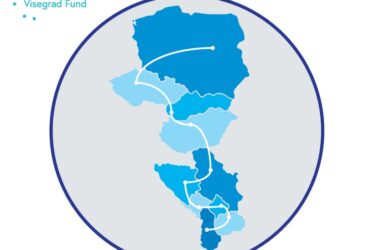
Reconciliation and good neighbourly relations are among the key priorities of the Stabilisation and Association Process of the Western Balkans and represent a necessary condition for the advancement of the countries of the region towards the EU.

On Tuesday, October 29, 2019, a new report Building blocks for a climate-neutral European industrial sector by the Climate Friendly Material Platform was released. The report proposes a concrete package of policy instruments that, if considered at both EU and national level, will allow heavy industry to reach climate neutrality by 2050 while remaining competitive in global markets.

What is the frontier of good policy practices in climate action in transport and buildings sectors in the CEE region? What can the CEE countries learn from each other in this area? The brochure prepared by WiseEuropa
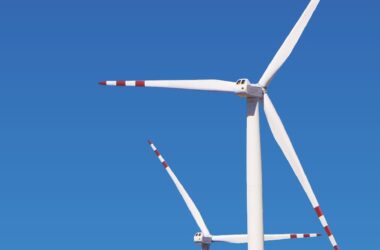
Onshore wind energy is characterized by a several times higher index of the share of domestic suppliers and subcontractors (so-called local content) in the life cycle of installations compared to conventional power plants. Currently, this index exceeds 50%, and if favorable conditions for the development of the industry in Poland can be reached, it can reach up to 65%.


