

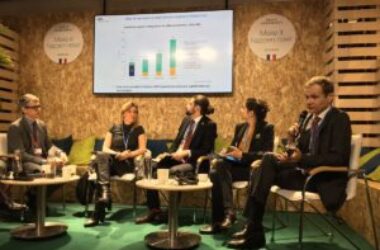
What is a landscape of domestic climate finance? How can it be of use for different stakeholders and policy discussions?

The Emergence of New States in Eastern Europe – Lesson for the Entire Europe (TENSE) is a project that focuses on the nation-building processes after 1918 in Eastern Europe.
Donald Tusk has commenced his term as president of the European Council in December 2014. To mark the 4th anniversary of his appointment, gazeta.pl has surveyed analysts to assess Tusk’s performance. WiseEuropa’s Wojciech Białożyt contributed to the survey, below is the English translation of his contribution. The survey is available in full (in Polish)
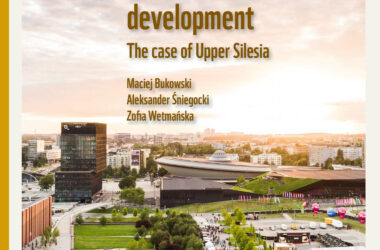
The Silesian Voivodeship has a chance to become a model for a just transition of a mining region into a modern industrial and commercial region.

Looking at the pictures from the 27 October summit in Istanbul, where President Recep Tayyip Erdoǧan hosted President Emmanuel Macron, Chancellor Angela Merkel and President Vladimir Putin
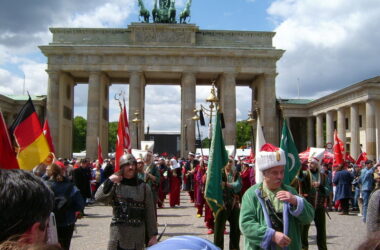
Turkey's president Recep Tayyip Erdogan’s state visit to Berlin at the end of September 2018 sparked speculations about a possible thaw in Turkish-German relations which had experienced serious tensions in the last two years.
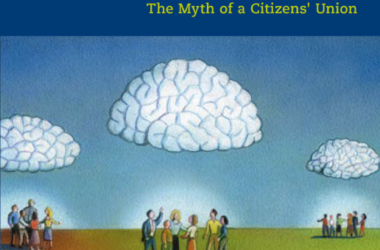
The European Union has a democracy problem. The polycrisis that has plagued the EU for years has led to a cacophony of voices calling for fundamental change to the integration project.
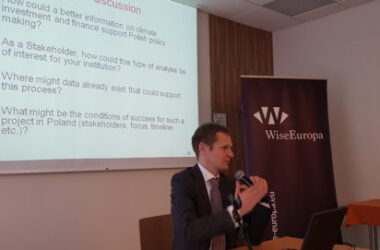
What is a landscape of domestic climate finance? How can it be of use for different stakeholders and policy discussions? - these were some of the issues raised during the first workshop organized by WiseEuropa
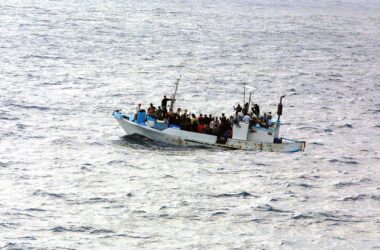
The high influx of asylum seekers in 2015 plunged the European Union into a crisis. The brunt of refugee reception rested on only a few shoulders.
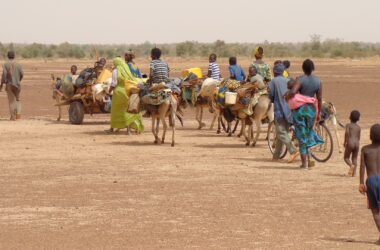
Most of EU citizens see the migration crisis of 2015 as a one-off event. However, mass migration is a part of human history – and Poland with its massive diasporas in the U.S., Canada or France is a good example.


